
Published September 13, 2023
How HOA Covenants Protect Homeowners

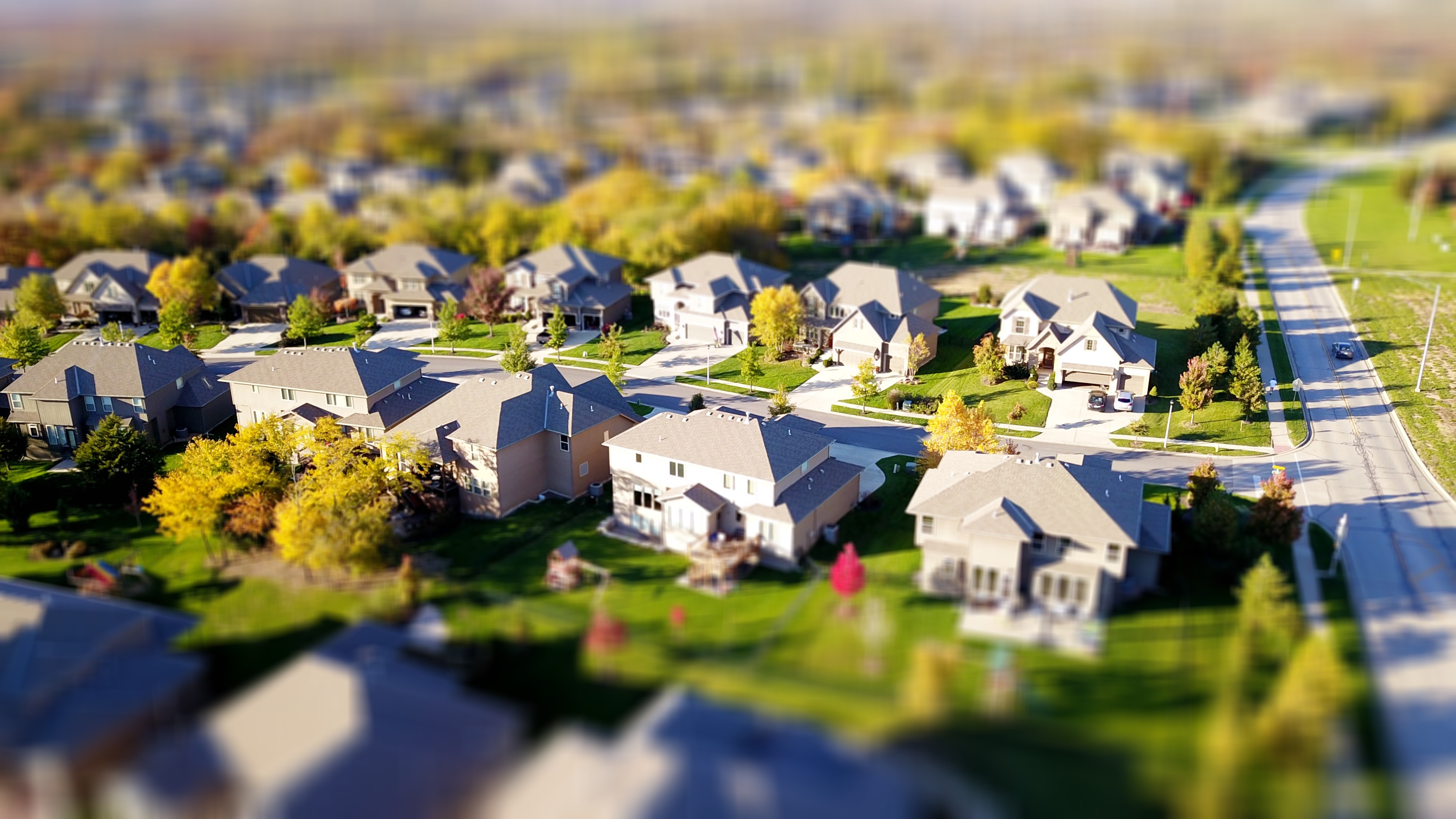

When purchasing a home within a planned community or a neighborhood governed by a Homeowners Association (HOA), you'll likely encounter a set of rules and regulations known as HOA covenants. While some homeowners may view these covenants as restrictive, they do play a crucial role in safeguarding property values, maintaining community aesthetics, and preserving a peaceful living environment. In this blog post, we'll explore how HOA covenants protect homeowners and contribute to the overall well-being of the community.
1. Preserving Property Values
One of the primary ways HOA covenants protect homeowners is by preserving property values. These covenants often include guidelines on property maintenance, landscaping, and architectural standards for homeowners and builders to follow. By ensuring that homes are well-kept and conform to a consistent aesthetic, covenants help maintain property values over time. When you decide to sell your home, you'll appreciate the benefits of a well-maintained neighborhood, as it's likely to attract more interested buyers and command higher prices.
2. Ensuring Peaceful Living
HOA covenants also aim to create a peaceful and harmonious living environment for residents. They often include regulations related to noise levels, pet ownership, and even parking. These rules are designed to minimize conflicts between neighbors and promote a tranquil atmosphere within the community. Knowing that there are guidelines in place can provide homeowners with a sense of security and peace of mind.
3. Consistent Community Appearance
Uniformity in architectural design and landscaping can enhance the overall appearance of a community. HOA covenants often dictate design and landscaping standards that contribute to a cohesive look and feel. This consistency not only enhances curb appeal but also creates a visually appealing neighborhood that homeowners can take pride in.
4. Shared Amenities and Services
Many planned communities offer shared amenities such as parks, pools, trails, sport courts, and other recreational facilities. HOA covenants ensure that these amenities are properly maintained and accessible to all residents. They may also establish guidelines for their use, ensuring that everyone can enjoy these shared resources fairly.
5. Dispute Resolution Mechanisms
In addition to preventive measures, HOA covenants typically include provisions for dispute resolution. This can be especially valuable in resolving conflicts between neighbors or addressing violations of the covenants. Having a structured process for dispute resolution can help homeowners feel confident that issues will be addressed fairly and impartially.
6. Community Governance
HOA covenants establish the framework for community governance. They typically outline the responsibilities and powers of the HOA board, which is elected by homeowners (or the developer in the early stages of construction). This governance structure ensures that decisions made on behalf of the community are representative of homeowners' interests and contribute to the community's overall well-being.
As you can see, HOA covenants do play a vital role in protecting homeowners and enhancing the quality of life within planned communities. While they may come with certain restrictions that some may not agree with, these covenants are ultimately designed to create a secure, attractive, and harmonious living environment that benefits all residents. When considering a home within an HOA-governed community, it's essential to review and understand the covenants to make an informed decision about your new home.
Have questions or want to look for a home that is in a community with protective covenants? We can help!

Peter Winkler
| alignmint: real estate. done. | Keller Williams United
or another way